Your temperature log shows perfect transit. Your product still arrived damaged. The crime scene is in the factory. We explain the physics that determines frozen food quality before any courier arrives.
 Best Practices
 Best Practices
Your temperature log shows perfect transit. Your product still arrived damaged. The crime scene is in the factory. We explain the physics that determines frozen food quality before any courier arrives.
 Courier Service
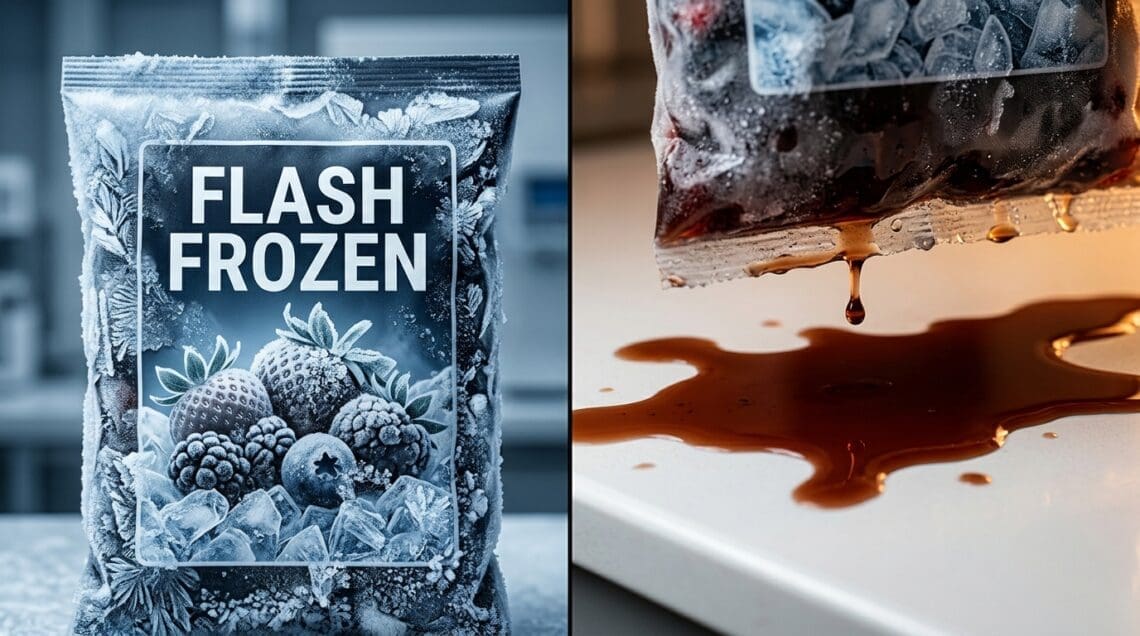
South Africa has no legal definition for “flash frozen.” Any producer can use the term on any product frozen in any freezer. Here’s what the labels hide, what the physics reveals, and a simple test you can do at home to tell the difference between marketing and engineering reality.
 Best Practices
A sealed container of water or water-gel mixture that provides passive cooling through phase change (melting), functionally similar to gel packs but typically using rigid containers rather than flexible pouches.…
 Best Practices
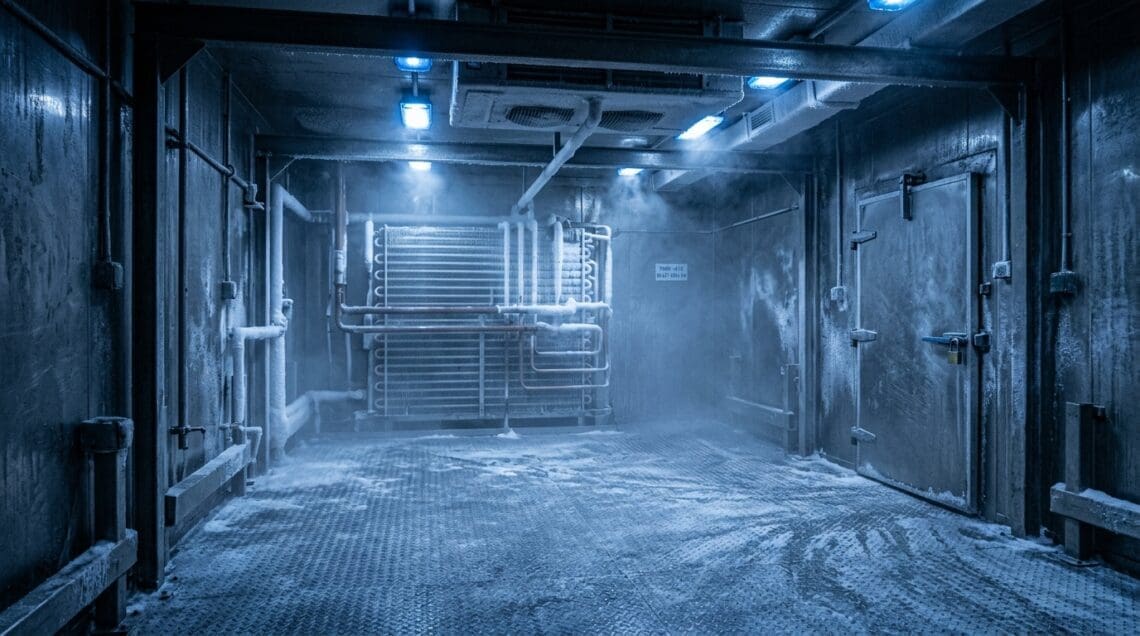
A specialized temperature-controlled warehouse maintaining precise environmental conditions (chilled 2-8°C or frozen -18°C to -25°C) for storing perishable products, featuring heavy-duty insulation, industrial refrigeration systems, and continuous monitoring to preserve…
 Technical Articles
The practices, procedures, and temperature maintenance protocols ensuring frozen food products remain safe for human consumption throughout production, storage, transport, and retail distribution. Frozen food safety centers on maintaining products…
 Technical Articles
The practices, procedures, and temperature maintenance protocols ensuring frozen food products remain safe for human consumption throughout production, storage, transport, and retail distribution. Frozen food safety centers on maintaining products…
 Technical Articles
Every door opening dumps warm humid air into your loadbox. That moisture freezes on evaporator coils, condenses on walls and packaging, and accumulates across 15-30 stop routes. Nobody designs for it. We calculated it: 0.9 litres per route in Gauteng, 1.3 litres in Cape Town. Physics over marketing.
 Technical Articles
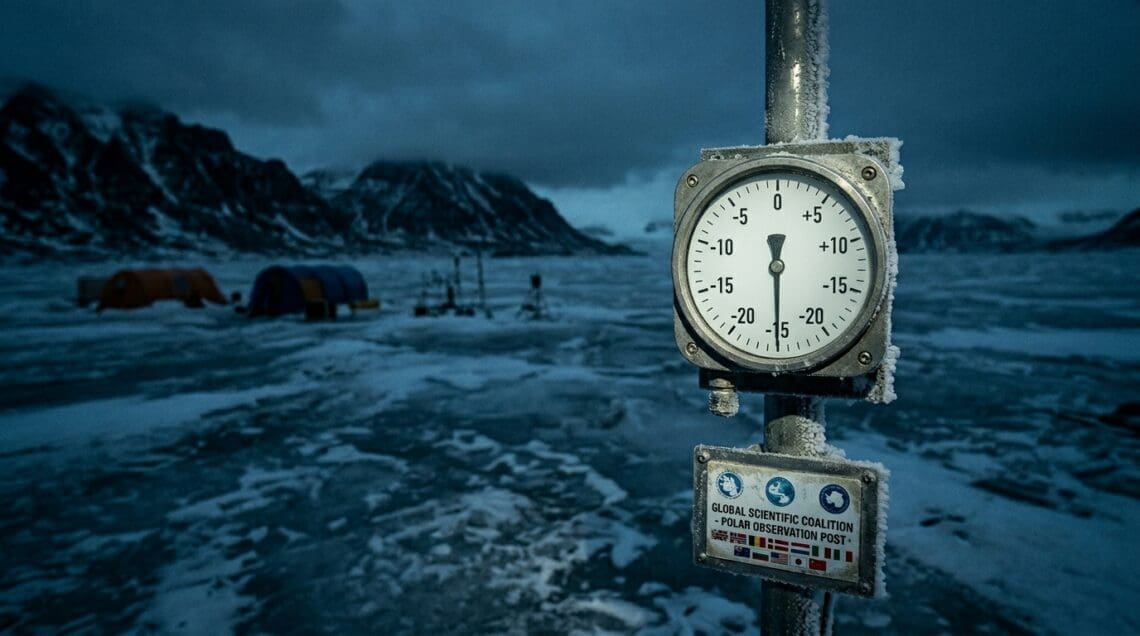
Your freezer has four temperature sensors and they all show -15°C. Congratulations — you have four instruments confirming your compressor is running. None of them confirm your product is frozen. Here’s the physics of why air temperature ≠ product temperature, the glycol-buffered probe that bridges the gap, and why the CDC won’t let clinics monitor vaccines with air sensors alone.
 Technical Articles
Your controller reads -15°C. Your product near the doors is -4°C. Both are accurate. Research shows 3-11°C temperature variations exist across refrigerated spaces during normal operation—while controllers report “set point maintained.” The dead zones are real, measurable, and costing you R26,000-R43,000 per vehicle per year.
 Technical Articles
When your refrigerated courier vehicle sits in the Johannesburg sun, the loadbox roof climbs to 65°C while your cargo must stay at -18°C (the international Codex baseline) or -15°C (the scientific reference). That 75-85°C temperature differential is why your TRU runs constantly and burns excessive fuel. Ceramic thermal coatings block 95% of solar heat at the surface—before it becomes your refrigeration system’s problem. Fleet testing shows…