Keep The Wheels Rolling!
 Best Practices
 Best Practices
Keep The Wheels Rolling!
 Courier Service
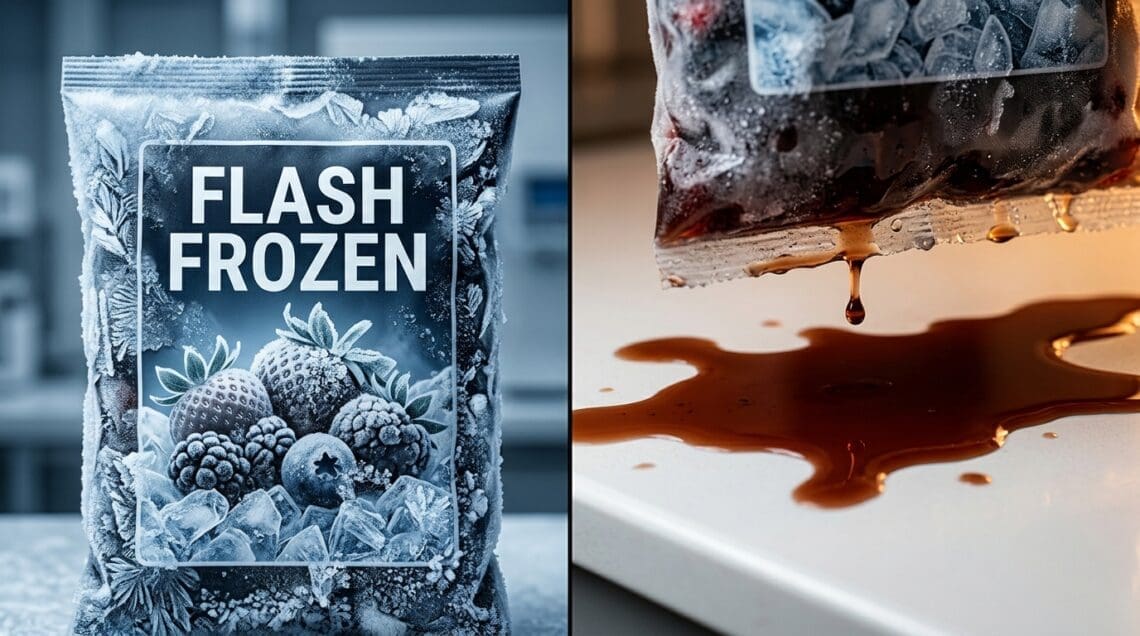
South Africa has no legal definition for “flash frozen.” Any producer can use the term on any product frozen in any freezer. Here’s what the labels hide, what the physics reveals, and a simple test you can do at home to tell the difference between marketing and engineering reality.
 Best Practices
Every multi-stop delivery route subjects your product to 15–40 temperature fluctuations. If your product was properly blast frozen, it survives. If it wasn’t, transit finishes what your domestic freezer started. 770,000 km of evidence from South African routes.
 Best Practices
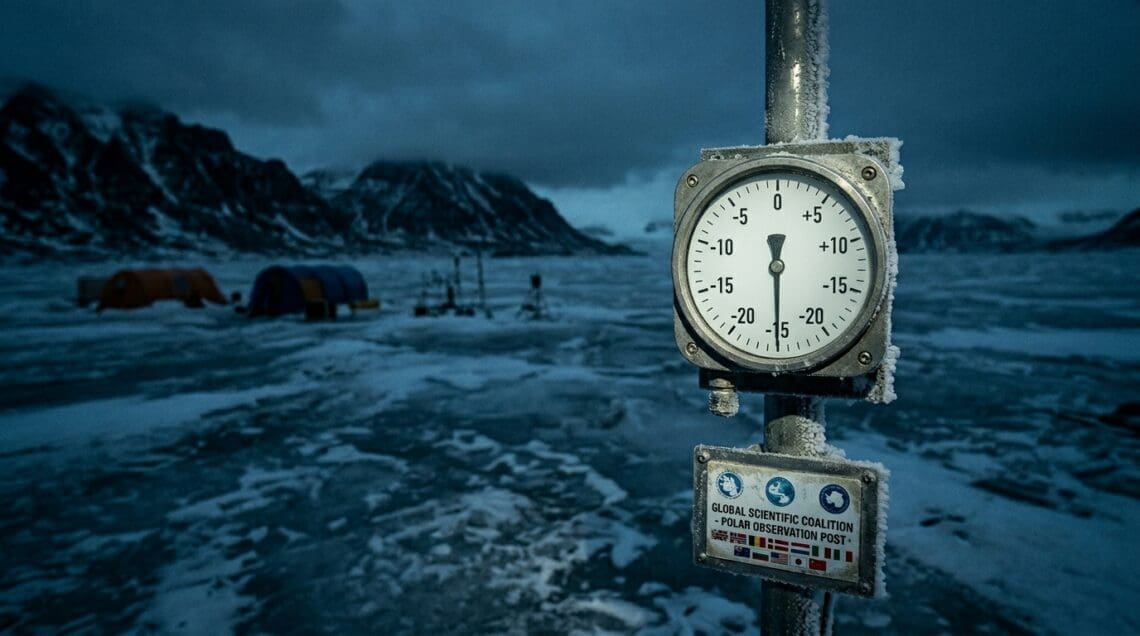
The -18°C frozen food standard has governed global cold chains for nearly a century. It was never derived from food science. It was never validated by physics. It was an industrial convenience decision made in the 1930s — and the world’s leading refrigeration scientists have just confirmed what the physics always suggested: -15°C is sufficient, safer for the planet, and operationally smarter. We have been operating at -15°C for eight years. Here is the science that explains why.
 Technical Articles
Your bodybuilder specified 75mm polyurethane panels with R-2.88 insulation. What they didn’t mention: the aluminium frame conducts heat at 9,300 times the rate of the foam. The frame contributes 79% of total heat infiltration. The R-value certificate describes the other 21%.
 Technical Articles
Your loadbox has six surfaces. Most bodybuilders only specify three. While the industry obsesses over roof insulation and ignores floor radiant heat, builds 50mm floors facing 88°C differentials while installing 75mm roofs facing 53°C, and leaves thermal bridges at every mounting point, your TRU runs 40% harder than necessary. ATP Class C certification requires K ≤ 0.40 W/m²·K whole-body thermal performance—a standard South African bodybuilders rarely measure and never guarantee. We calculated the physics, compared four design scenarios, and quantified why the “cheapest” insulation creates the most expensive operation.
 Technical Articles
Every door opening dumps warm humid air into your loadbox. That moisture freezes on evaporator coils, condenses on walls and packaging, and accumulates across 15-30 stop routes. Nobody designs for it. We calculated it: 0.9 litres per route in Gauteng, 1.3 litres in Cape Town. Physics over marketing.
 Technical Articles
Your freezer has four temperature sensors and they all show -15°C. Congratulations — you have four instruments confirming your compressor is running. None of them confirm your product is frozen. Here’s the physics of why air temperature ≠ product temperature, the glycol-buffered probe that bridges the gap, and why the CDC won’t let clinics monitor vaccines with air sensors alone.
 Technical Articles
Your controller reads -15°C. Your product near the doors is -4°C. Both are accurate. Research shows 3-11°C temperature variations exist across refrigerated spaces during normal operation—while controllers report “set point maintained.” The dead zones are real, measurable, and costing you R26,000-R43,000 per vehicle per year.
 Technical Articles
When your refrigerated courier vehicle sits in the Johannesburg sun, the loadbox roof climbs to 65°C while your cargo must stay at -15°C (TFC standard) or -18°C (R638 baseline). That 75-85°C temperature differential is why your TRU runs constantly and burns excessive fuel. Ceramic thermal coatings block 95% of solar heat at the surface—before it becomes your refrigeration system’s problem. Fleet testing shows…